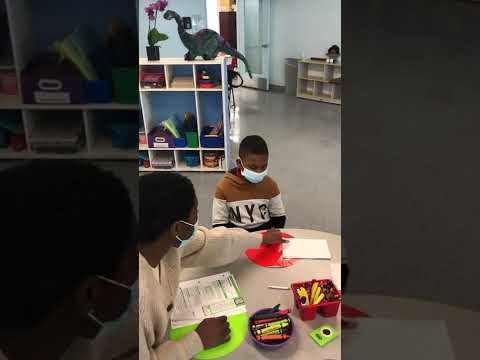
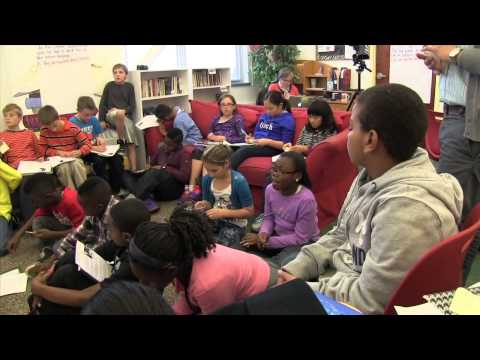
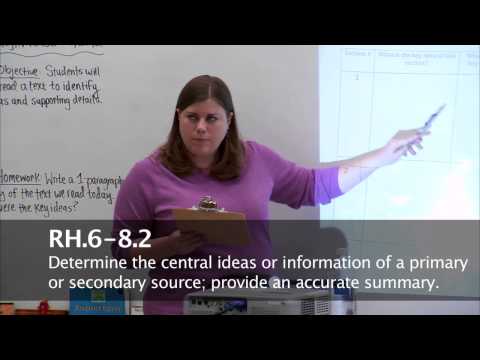
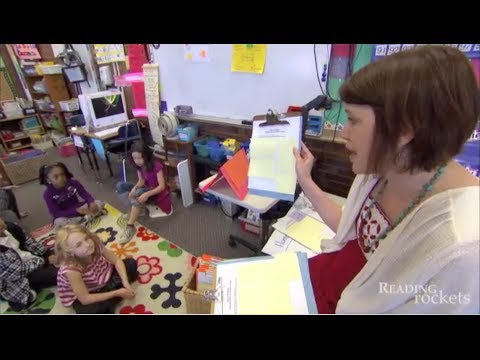
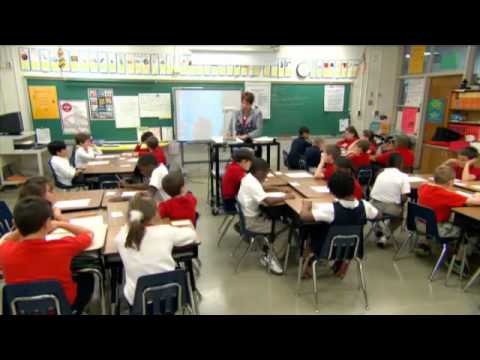
59 clips of real K–6 classrooms — the same videos from the original portal, reorganised by practice. Each opens on YouTube in a new tab.
Teach students to hear, recognize and manipulate sounds in words.
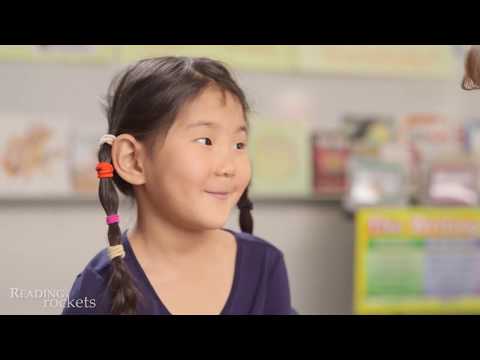
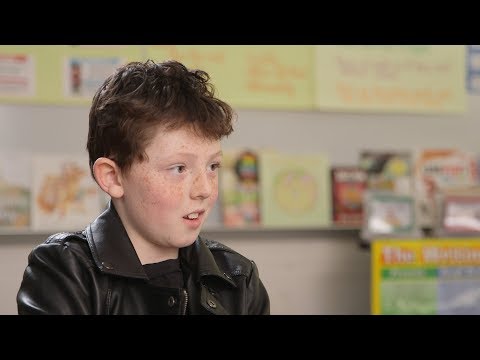
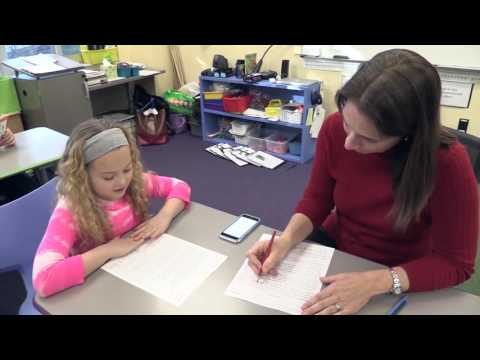
Blending Sounds in Syllables with Autumn, Kindergartner
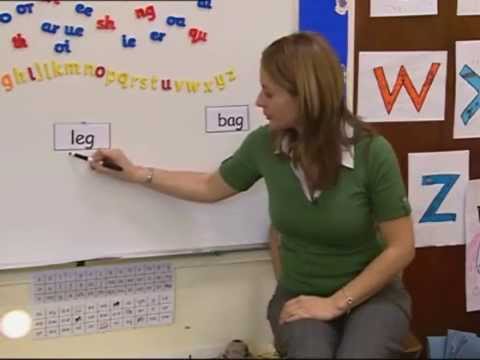
This Reading Rockets video demonstrates explicit instruction and practice with blending onset-rime
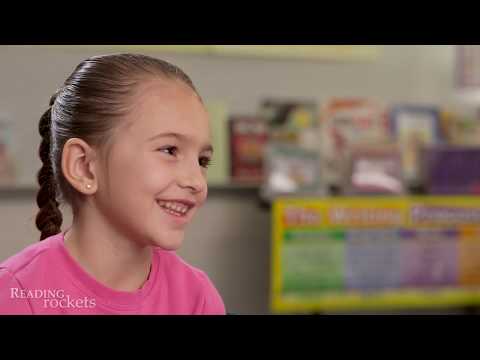
Mastering Short Vowels and Reading Whole Words with Calista, First Grader
This Reading Rockets video demonstrates a range of phonemic awareness activities including blending, segmenting, and manipulating using Elkonin boxes.
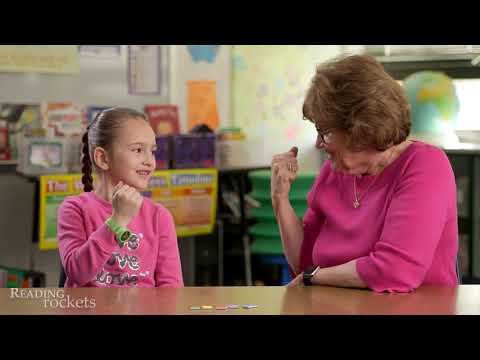
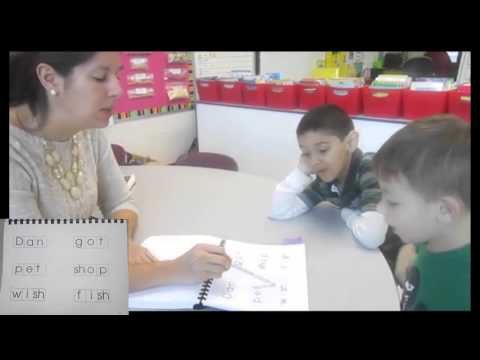
Stretching CVC Words
This Reading Rockets video demonstrates explicit instruction and repeated practice of segmenting and blending a CVC word, and identifying the medial v…
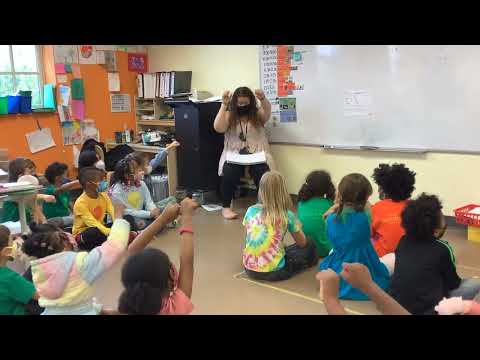
Phonemic Awareness
Ms. Glass uses the Heggerty phonemic awareness curriculum to practice a range of phonemic awareness skills with her first grade students.
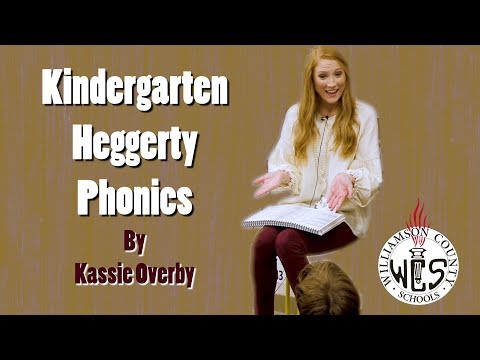
Kindergarten Heggerty Phonics Lesson- Example 1
This kindergarten teacher also uses the Heggerty routine to practice phonological and phonemic awareness.
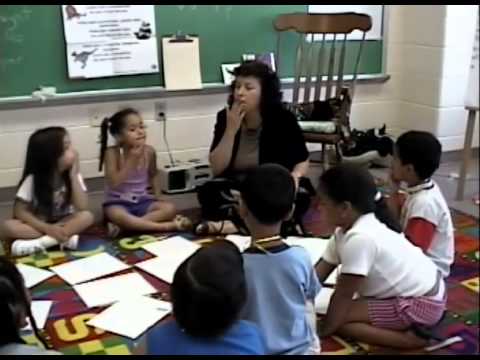
Initial Phoneme Isolation
This teacher practices the phonemic awareness skill of beginning sound isolation.
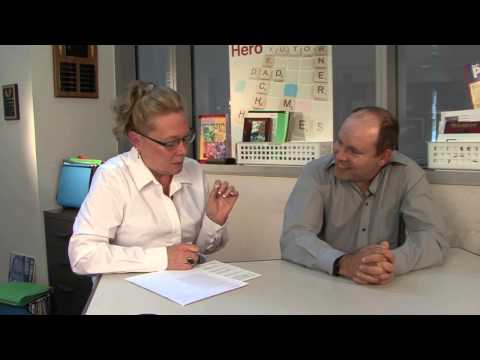
Phonemic Awareness - Task 2: Phoneme Identity (Recognizing the Common Sound in Different Words)
This teacher practices phonemic awareness skills with an adult learner, focusing on the skill of beginning, middle, and end sound identification when …

Phonemic Awareness - Task 2: Phoneme Identity (Recognizing the Common Sound in Different Words)
This teacher practices phonemic awareness skills with an adult learner, focusing on the skill of beginning, middle, and end sound categorization when …

Phonemic Awareness - Task 2: Phoneme Identity (Recognizing the Common Sound in Different Words)
This teacher uses pennies as a manipulative to practice blending. She provides the student the sounds and asks him to blend them into a word.
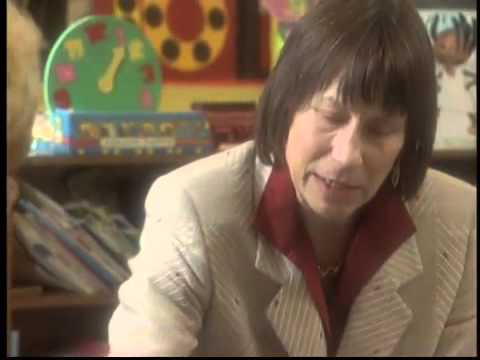
Phonemic Segmentation
Louisa Moats models how to use something simple like plastic chips to represent sounds in words when practicing segmenting sounds.
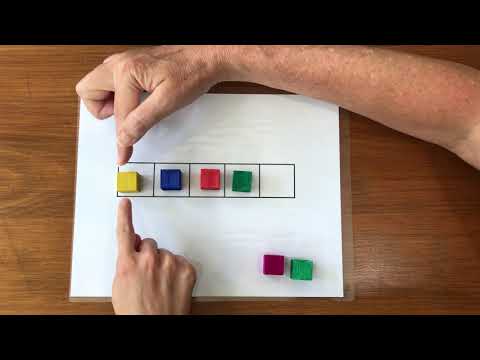
Phoneme Manipulation with Blocks
The instructor in this video shows how colored blocks could be used to practice manipulating sounds in words (adding sounds, removing sounds, and subs…
Teach students to connect sounds to letters and teach patterns so students will learn to read and spell.
Students in Ms. Tolliver’s class segment syllables, identify which syllable…
Students in Ms. Tolliver’s class segment syllables, identify which syllable contains the target phonics skill (long i), and connect that syllable to t…
This video demonstrates a word sort wherein students sort words based on the…
This video demonstrates a word sort wherein students sort words based on the long i spelling pattern used. Students are then prompted to use words in …
This video demonstrates sentence building using a combination of words with…
This video demonstrates sentence building using a combination of words with long i spelling patterns as well as spelling words and high frequency word…

Reading Multisyllable Words with Xavier, Third Grader
The reading instructor in this video shows a student how to segment words into syllables, read each chunk, and blend them back together.

Mastering ‘Silent e’ and Becoming More Fluent with Michael, Third Grader
The reading instructor in this video shows how to teach a common expectancy (final e) to a student that is consistently recognizing short vowel sounds…
Balanced Literacy: Word Study
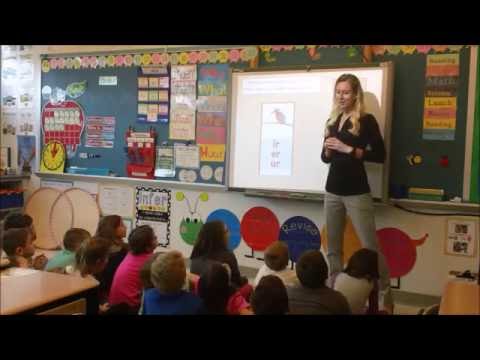
The teacher in this video uses word study to introduce r-controlled vowels, reviewing the three ways to spell the “er” sound (er/ir/ur). Students prac…
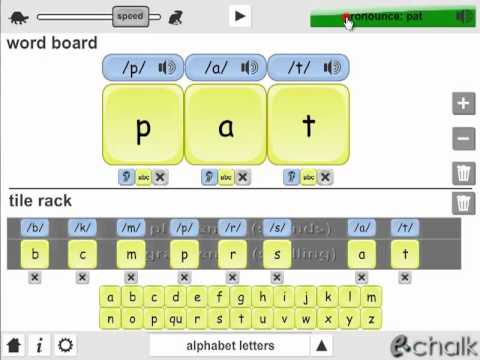
Segmenting and blending with the phonic toolkit: tutorial
The teacher in this video models using a virtual phoneme/grapheme board to segment, blend and manipulate sounds in words.

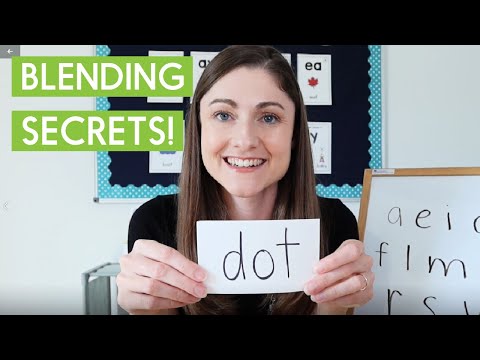
5 Secrets for Teaching Beginning Readers to Blend Sounds
The reading instructor in this video gives suggestions for teaching beginning blending to young students that struggle to blend (such as clipping soun…

Phase 2 teaching blending
This English teacher uses a puppet to focus students on sound blending, as well as repetition of sounds until students can better hear/blend sounds in…

Guided Reading in a 3rd Grade Classroom
This teacher uses word work to target sounds and decoding during a guided reading routine. Reading Fluency
Teach students strategies to construct meaning and understand the books they read.

Using Reciprocal Teaching to Engage 3rd Grade Readers
This teacher uses reciprocal teaching as a comprehension strategy to engage her students in thinking and conversations about the author’s perspective.…

Anticipation Guide
This Reading Rockets video shows how a teacher uses an anticipation guide to access students background knowledge, make predictions, learn text elemen…

Guided Reading Routine
This teacher uses a guided reading routine to probe prior knowledge, build background knowledge, and encourage the student to consider the genre/story…

Common Core Literacy Close Reading Strategies with Informational Text
This teacher uses both a learning target and article from the

Sentence Starters: Making Text-to-Self Connections
This the teacher explains “schema,” or things that you already know, to students so they can consider what they already know in considering the meanin…

Identifying Key Ideas and Supporting Details, Part One: The Setup
This teacher uses close reading and encourages students to annotate texts in order to help students focus on making inferences and identifying the mai…

Cooperative Learning: The Jigsaw Method
This teacher uses the jigsaw method to assign small groups of students to read and discuss informational text, increasing their comprehension.

This teacher takes time to teach her students how to unpack sentence meaning,…
This teacher takes time to teach her students how to unpack sentence meaning, improving their sentence level comprehension.

How to Use Text Dependent Questions in Close Reading
This speaker and teacher in this video focuses on asking text dependent questions to increase their comprehension and identification of evidence (skil…
Explicitly teach students how to spell, choose words, arrange sentences, generate ideas, organize information, and understand different purposes of writing.

1st Grade Writing Lesson
This first grade teacher shows her students how to combine two sentences to make a compound sentence, enhancing their sentence level writing skills.

Interactive Writing in First Grade
This first grade teacher uses interactive writing to introduce her students to writing about a shared experience.

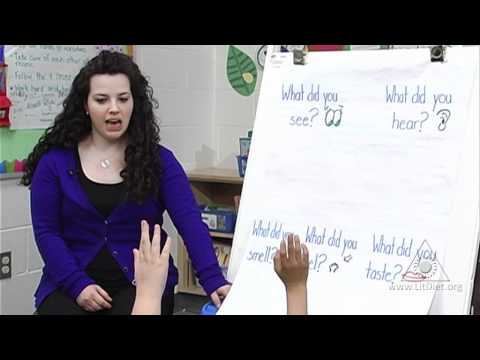
Five Senses Graphic Organizer: A Planning Strategy for Descriptive Writing
This teacher uses a five senses graphic organizer to show her students how to add descriptive details to their writing.

Writing Poems
This teacher from Greenbelt, Maryland uses writer’s notebooks and sharing to engage students in regular writing and feedback.

Writing Conference in First Grade
This first grade teacher uses writing conferences in first grade to provide students feedback.

Writing Poems
This teacher uses Readers’ and Writers’ Workshop, using anchor texts to teach students how to write within specific genres.

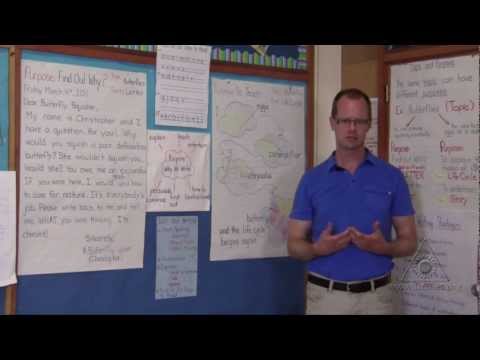
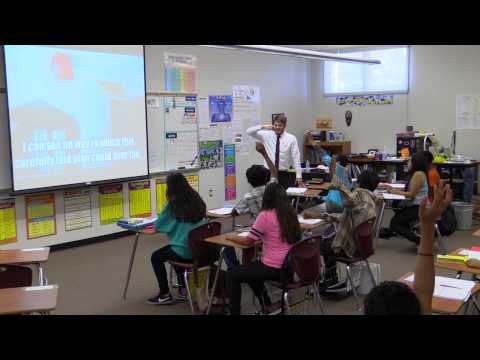
Why Do Writers Write?: Understanding the Purpose for Writing (Virtual Tour)
This teacher uses a hands-on example (someone squishing a butterfly) to explain reasons why readers write. He teaches students all the different purpo…

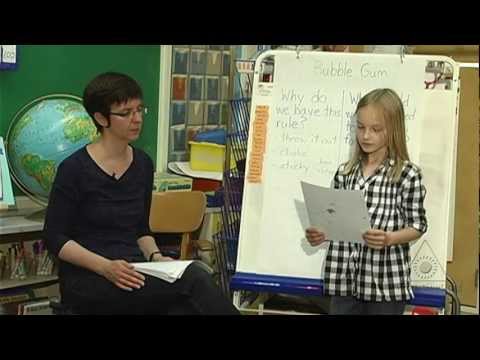
Bubble Gum Letters: A Persuasive Writing Activity
This teacher uses a text about bubble gum to engage her students in brainstorming and writing a persuasive letter to the principal convincing her to a…
Teach students to learn and recognize words orally and apply this skill to printed words when they are reading.

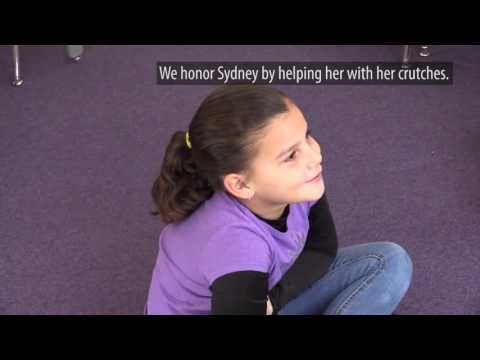
Video 9: Academic Vocabulary in Text (REL Southeast)
This teacher uses a brief text called Coins to reinforce academic vocabulary words such as “mint,” “honor,” and “debated.” The teacher uses effective …

Tier Two Vocabulary Instruction
The teacher in this video encourages students to use Marzano’s six step process to discuss words from different perspectives, come up with definitions…

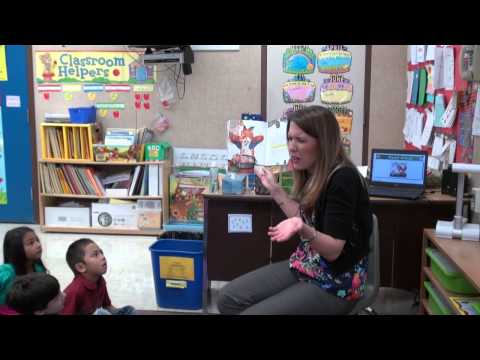
Repeated Interactive Read-aloud in Kindergarten
This teacher uses student friendly definitions to introduce words during interactive read aloud. She not only provides child-friendly definitions but …

Engaging Vocabulary Instruction in a Middle School Classroom
This teacher uses the Frayer Model for introducing vocabulary. The teacher uses cooperative learning for students to discuss examples, non-examples, d…

Explicit Vocabulary Instruction (sample 1)
This teacher explores the various contexts and content areas where an academic vocabulary (violent) word might be used. She uses examples and non-exam…

Classroom Strategy: List-Group-Label
This Reading Rockets video shows Kathy Doyle uses the “List, Group, Label” strategy in order to explore concepts, discuss vocabulary, and stimulate cr…

Semantic Gradients
This Reading Rockets video shows how a teacher uses “semantic gradients” to introduce “size” words to students. Students work together to move the wor…

Instructional Terms: Helping Students Expand Vocabulary (Virtual Tour)
This teacher shares how she regularly teaches academic vocabulary that may come up on state tests. By teaching the vocabulary, practicing it, using it…
Teach students to read text with accuracy, automaticity, and expression.

Reading Fluency with Chloe, Second Grader
This Reading Rockets video demonstrates explicit instruction on three elements of reading fluency- accuracy, reading rate, and reading with expression…

Helpful Hints: THE RED WORD SCREEN - Orton Gillingham Multisensory Tools - Teaching Red Words
The Orton Gillingham program uses the term “red words” to refer to challenging high frequency words that don’t follow rules or typical sound patterns.…

An Explicit Fluency Lesson with a Prosody Element Focus - Smoothness. By The Simple Teachers
This teacher outlines how good readers read smoothly, rather than reading like robots. She models both ways of reading, and then encourages her studen…

How to Teach Fluency with Accuracy and Phrasing
This teacher models using fluency with accuracy and phrasing. She reads aloud first, then encourages the students to echo read the words.

Video 34: Repeated Reading (REL Southeast)
This teacher uses repeated reading to improve the student’s oral reading fluency.

K PALS Training Video 1
This teacher uses the Peer Assisted Learning Strategies (PALS) program with two students. The students engage in cooperative learning around reading s…
Screen, diagnose, and progress monitor students to drive instruction at school or at home.

Bubble Gum Letters: A Persuasive Writing Activity
This teacher models how to administer a running record to assess a student’s reading fluency and comprehension.

How to Analyze the Words Their Way Spelling Assessment Data
This teacher shares how to score and analyze the Words Their Way spelling inventory in order to assess a student’s stage of writing and design differe…

This presenter overviews the Core Phonics Survey and outlines how it can be…
This presenter overviews the Core Phonics Survey and outlines how it can be used to plan differentiated instruction.

PAST Administration
This presenter models administering and scoring the Phonological Awareness Screener test.

UURC ERI - Letter Sound Assessment
This presenter models administering letter name and letter sound assessments.

Guided Reading: Differentiating Instruction in Skill- and Strategy-Focused Groupings (Virtual Tour)
This teacher outlines how she uses the guided reading block as a time to differentiate instruction.

Literacy Intervention Strategies and Activities // small group reading activities in K-2
This teacher shares small group intervention activities to explicitly teach students phonics and phonemic awareness (sound sorts, manipulating sounds/…
Seven evidence-based literacy practices for kindergarten through sixth grade — the research, the teaching sequence, and the materials, free for teachers and families.